Skip to content

Case study 03 · Production

Ensuring fairness and giving visibility in a unionised environment

This US food manufacturer has a highly unionised workforce. Overtime has to be allocated on the basis of fairness determined by complex rules arrived at with union agreement. Staff have the right to question allocation if they do not think fairness has been applied.

Maintaining an audit trail and giving visibility to staff

Workforce
Unionised
Allocation
Automated
Audit trail
Maintained
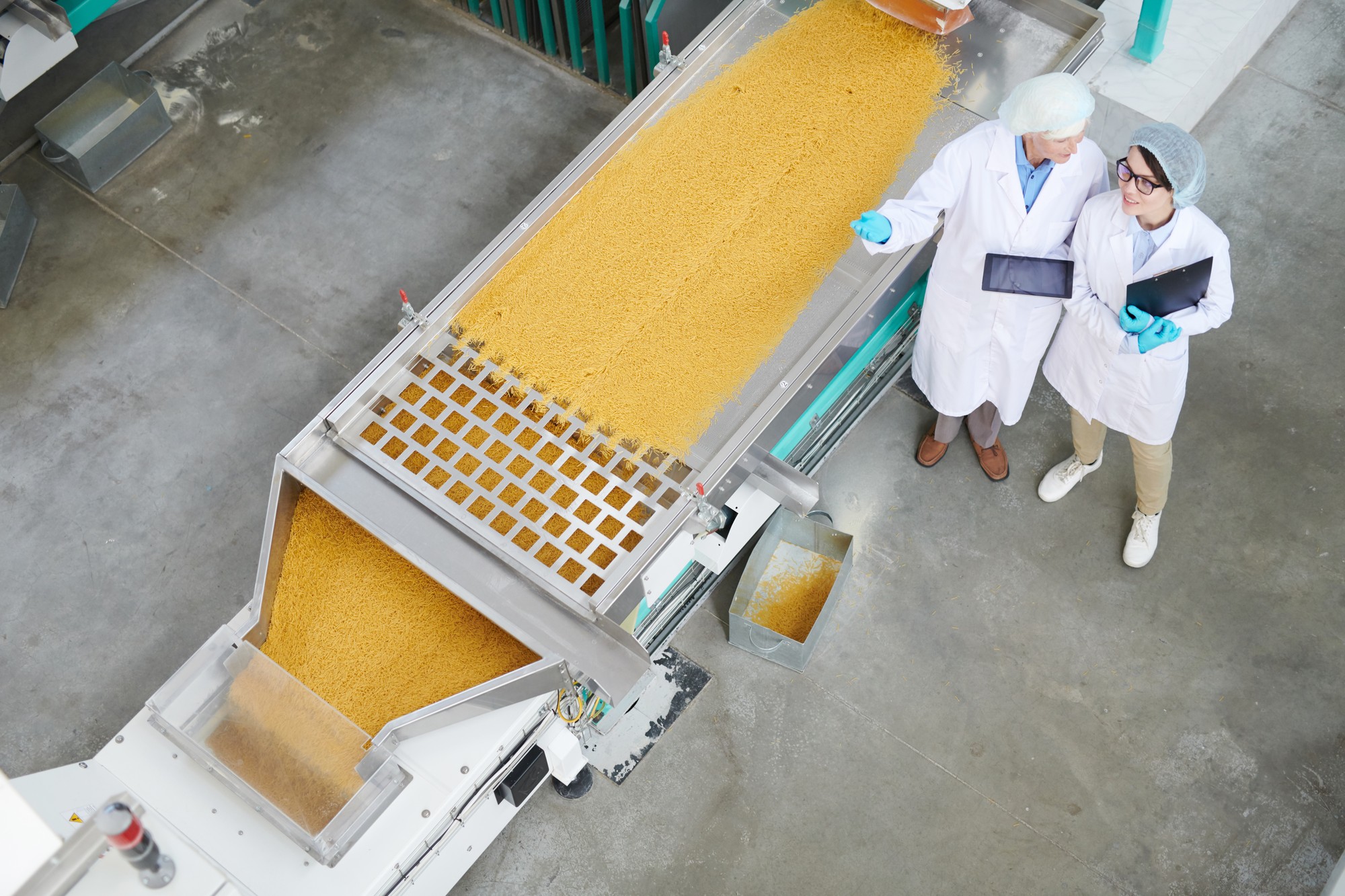
Food production workers inspecting a conveyor line
Overtime rules applied consistently, with a record of how each decision was made.

The full story

Fairness that can be explained and reviewed

01

Background

Production at this site relies on extensive use of overtime from the existing workforce. Overtime has to be awarded first to volunteers, and then mandated within union agreements in ways that comply with working time regulations and fairness rules. Allocation has to take account of staff seniority.

02

The challenge

The site’s existing planning processes required considerable human input, including knowledge of complex rules, staff preferences and seniority in order to:

  • Implement complicated overtime rules based on site policy and union agreements.
  • Provide visibility and explanation of allocation to staff and union representatives.
  • Avoid any perception of person-based bias in the awarding of overtime.

The new solution needed to automate the allocation of overtime in order to remove the possibility of personal bias, and facilitate a process that could give visibility of the planning logic to staff who felt aggrieved, in order to prevent escalation to union representation.

03

Our approach

PeoplePlan worked with the labour planners and stakeholders to translate the complex overtime rules into an auto-allocation workflow.

The workflow applies the agreed rules in order: overtime is offered first to the most senior volunteers, then mandated to the least senior, within union agreements and working time regulations.

Where no overtime is available for a whole shift, part-shift overtime is paired across staff to cover the full shift. Each decision is recorded so the planning rules can be explained and reviewed.

Built to be questioned

Every allocation leaves a record, so the rules behind a decision can be shown to the person affected and to their union representative.

04

The outcome

Overtime auto-allocation

Auto-allocation of overtime both greatly speeds up the process of applying complex rules, and increases the certainty that they are applied fairly.

Audit trail and visibility

Staff on site can request an explanation of any planning decision. PeoplePlan maintains an audit trail and a reporting system that gives visibility on how the rules were applied.

Improved staff satisfaction

Employees feel greater confidence in the fairness of their allocation, they question them less frequently, and they are provided with clear explanations of the planning logic when they do.

What happened next

The audit trail and reporting remain in place, giving staff and union representatives a clear view of how the agreed rules were applied.

A similar brief?

Allocate fairly, and show your working

We will talk through your current allocation rules, the agreements behind them and how a clear audit trail could reduce questions and escalation.